The foul odor from wastewater not only reduces the quality of life for surrounding communities but also negatively impacts the working environment and production activities of businesses. To thoroughly address this issue, correctly identifying the cause of the odor originating from the wastewater treatment system is the most important step. Let’s explore the causes and optimal solutions in detail with BioFix Fresh in the article below!
Top 5 Causes of Odors from Wastewater Treatment Systems
Odor in wastewater treatment systems can originate from various stages in the operation process. Below are the most common causes:
Specific characteristics of the influent wastewater: The initial wastewater itself already possesses a characteristic foul odor. If the collection system is open, lacks a gas collection pipe, or is not equipped with a deodorization system, the foul-smelling gases will easily be released directly into the air.
Malfunctions in the equalization tank: The equalization tank’s function is to stabilize the concentration and flow rate of wastewater. An aeration system is always present at the bottom of the tank to mix pollutants and prevent anaerobic decomposition. When the oxygen supply is insufficient, anaerobic microorganisms will actively decompose organic matter, producing characteristic foul-smelling gases such as Hydrogen Sulfide (H₂S), Ammonia (NH₃), and Methane (CH₄) (Tchobanoglous, Burton, & Stensel, 2014).
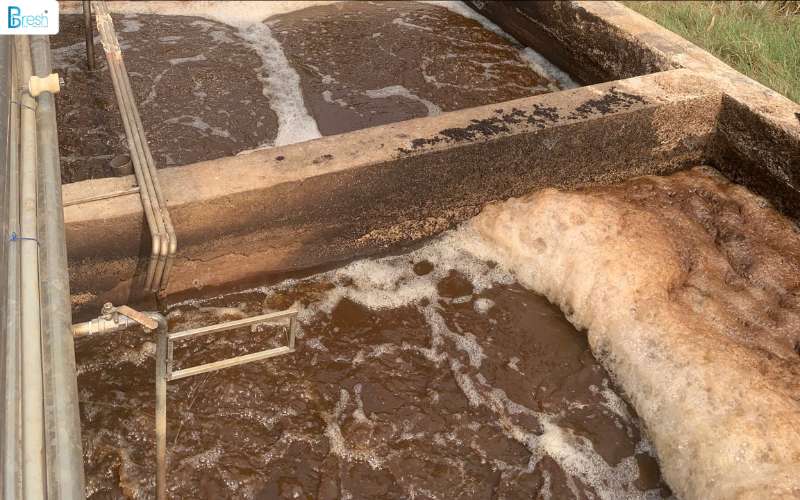
Problems in biological treatment tanks: Strong odors can occur due to the sudden death of aerobic microorganisms in wastewater. The accumulation of pollutants combined with the settling of dead sludge causes localized anaerobic decomposition. In many cases, the odor is even stronger than when the system is shut down.
Odor from treatment chemicals: Physicochemical treatment processes require the addition of specific chemicals; these chemical reactions themselves or excess chemicals can also generate unpleasant odors.
Inefficient sludge treatment: The long-term retention of large amounts of sludge without timely treatment leads to anaerobic pollution, releasing volatile sulfur compounds (VOCs) that cause persistent odors (Higgins et al., 2006).
The Harmful Effects of Wastewater Odor
When a wastewater treatment system emits a foul odor, it’s a warning sign that the system is malfunctioning, leading to several serious consequences:
Environmental pollution: Degrading air quality and directly affecting the living conditions of nearby residents.
Health threat: Continuous exposure to toxic gases (H₂S, CH₄) causes discomfort, headaches, nausea, and directly impacts the health of system operators.
Reduced work efficiency: A polluted work environment affects the health and morale of all employees within the company premises.
Substandard effluent quality: The odor is a clear indication that the biological treatment process is experiencing problems, leading to the risk of effluent not meeting the discharge standards of the Ministry of Natural Resources and Environment.
Effective Measures for Controlling and Treating Wastewater Odor
To effectively control odors, operators need to implement the following integrated technical and biological solutions:
1. Improve the collection system: For wastewater with strong odors, a sealed collection system should be designed, along with the installation of exhaust fans, ventilation systems, and odor treatment filters before discharge into the environment.
2. Control the aeration process: Regularly inspect and maintain the air blowers and air diffuser systems in the equalization tank and aerobic tank (Aerotank). Ensure that the dissolved oxygen (DO) concentration always remains at the standard level to completely prevent anaerobic decomposition.
3. Regular sludge management: Schedule regular sludge collection and dewatering. Equip with appropriate sludge dewatering equipment or construct a properly maintained sludge drying area; absolutely do not allow sludge to accumulate and decompose for extended periods.
4. Use specialized microbial preparations: Supplement with specific microbial strains for treating wastewater odor, such as BAC OC-1101.
Introducing BAC OC-1101 microbial deodorizing product.
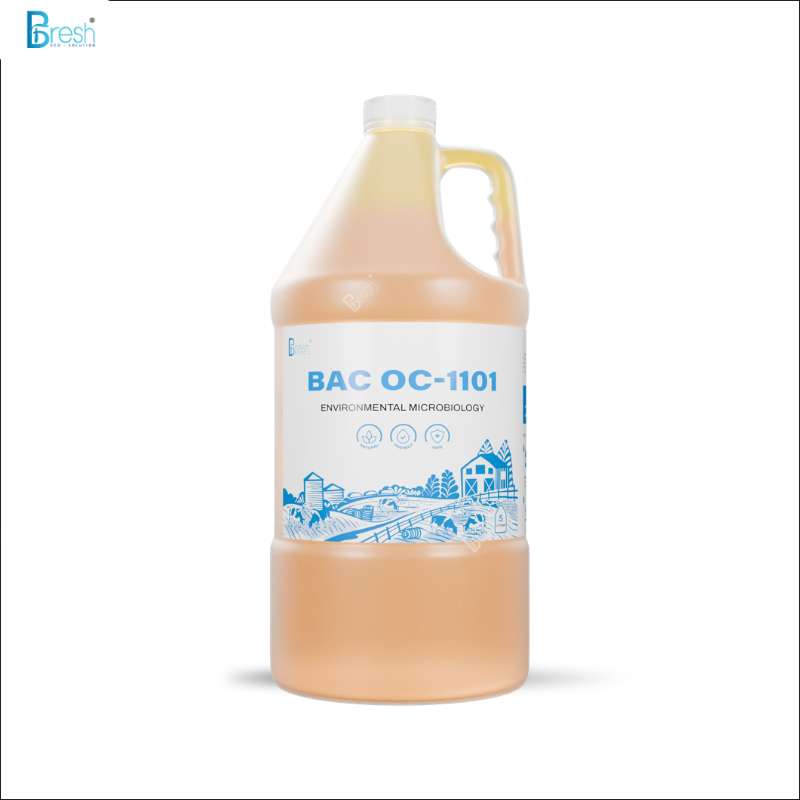
● BAC OC-1101 is an advanced biological solution combining multiple microbial strains and enzymes to flexibly treat odors from various sources, and is trusted in current wastewater treatment systems.
● Reputable origin: The product is directly imported from the USA, ensuring high quality and bacterial concentration.
● Instant odor control: Rapidly inhibits and treats odor-causing compounds (H₂S, NH₃, CH₄) immediately after use.
● Flexible use: Automatic or manual spraying.
● Cost-effective: The product has a very high dilution ratio with water, helping businesses save significantly on operating costs while maintaining long-lasting odor control effectiveness.
BioFix Fresh – Experts in Wastewater Treatment Solutions
BioFix Fresh Technical Trading Co., Ltd. is proud to have many years of experience in consulting, designing, cultivating microorganisms, and providing odor removal solutions for industrial and domestic wastewater treatment systems.
Our team of experienced environmental engineers always accompanies businesses from the initial survey and consultation on treatment pathways to close monitoring throughout the microbial cultivation process, ensuring the system operates smoothly and meets standards.
Contact Biofix Fresh today for advice on the right product!
BIOFIX FRESH TECHNICAL TRADING CO., LTD.
Hotline: 1900 988 949
Email: info@biofixfresh.com
Address: 71 DH607 Road, Group 2, Ben Tuong Ward, Ben Cat City, Ho Chi Minh City.