Anaerobic decomposition is a biological decomposition process that occurs under oxygen-deficient conditions. Most of this process is carried out directly by anaerobic microorganisms. Therefore, it is necessary to carefully control the factors affecting these microorganisms to avoid impacting the treatment process in the tank. So, what factors affect anaerobic decomposition?
Oxy
Under anaerobic conditions, oxygen is considered toxic to microorganisms during the decomposition of organic matter. Therefore, system designers must implement measures to ensure 100% anaerobic conditions inside the tank, meaning there is no dissolved oxygen in the wastewater. This means the DO level must be zero or close to zero.
Nutrients
Microorganisms need nutrients to grow. The two most important elements for anaerobic decomposition are carbon and nitrogen. The optimal ratio for anaerobic decomposition is between 20:1 and 40:1.
If the C:N ratio is too high (meaning there is too little nitrogen), the bacteria will quickly consume all the nitrogen, and anaerobic fermentation will stop because nitrogen becomes a limiting factor for microbial growth in the system.
If the C:N ratio is too low (meaning there is too much nitrogen), nitrogen will be released from organic compounds and accumulate in the system as ammonia, increasing the pH of the system, sometimes exceeding 8.5, affecting the activity of methanogenic bacteria.
In wastewater treatment, to balance nutrients for bacteria in anaerobic fermentation systems, the C:N ratio is not used; instead, the COD:N:P ratio is used, and the recommended ratio is 350:5:1.
Temperature
There are two optimal temperature ranges for methane-producing bacteria fermentation:
- Messophilic (medium temperature) ranging from 20–45°C. The optimal temperature is 35°C.
- Thermophilic (high temperature) in the range above 45°C. The optimal temperature is 55°C.
Sudden temperature changes affect the rate of gas production. Methane-producing bacteria are very sensitive to temperature; the permissible temperature range is 10°C per day. Temperatures below 10°C cause poor bacterial activity, and gas will not be produced or will be produced very little.
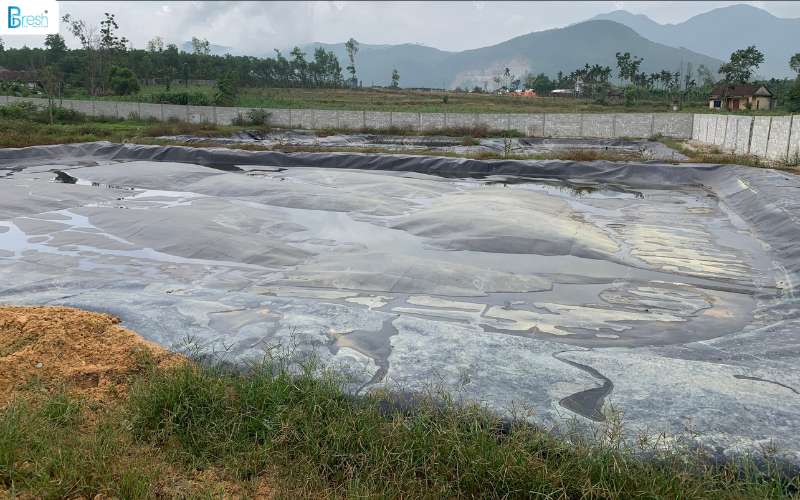
The optimal operating temperature for the system can vary depending on the feedstock composition and the type of digester. However, all anaerobic digestion systems require maintaining a stable temperature to achieve consistent biogas production. Operating the system under thermophilic will conditions reduce residence time, increase feed rate, and increase biogas yield.
pH
pH is a crucial factor affecting the activity rate of microorganisms in the tank. A pH of 6-7 in the feed mixture will create a favorable environment for anaerobic decomposition, and stable methane production occurs when the pH is between 7.2 and 8.2.
Water retention time in the treatment plant
The retention time of the water needs to be long enough for the microorganisms to carry out the treatment process most effectively. This factor also depends on the type of wastewater and environmental conditions.
Competition between methanogenic bacteria and sulfate-producing bacteria.
Sulfur bacteria and methane bacteria compete strongly at COD/SO₄ ratios between 1.7 and 2.7. When this ratio increases, methane bacteria will prevail; conversely, when this ratio decreases, sulfur bacteria will prevail.
Adding anaerobic microorganisms promotes anaerobic decomposition.
In wastewater treatment systems with high organic concentrations, anaerobic tanks play a crucial role in pollution control. However, natural microbial systems are often not robust enough to withstand shock loads or sudden changes in pH, temperature, etc.
Benefits of adding BAC AD-1005 anaerobic microorganisms:
+ Promotes the decomposition of high molecular weight organic substances.
+ Increases CH4 production; the increased biogas can be directly reused as fuel for boilers or machinery, significantly reducing fuel costs for businesses.
+ Reduces odor generation.
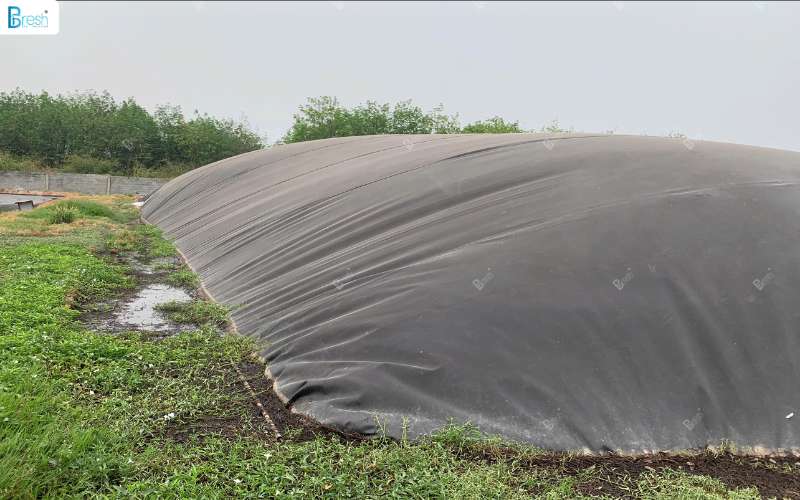
BioFix Fresh – Experts in Wastewater Treatment Solutions
BioFix Fresh Technical Trading Co., Ltd. is proud to have many years of experience in consulting, designing, cultivating microorganisms, and providing odor removal solutions for industrial and domestic wastewater treatment systems.
Our team of experienced environmental engineers always accompanies businesses from the initial survey and consultation of treatment processes to close monitoring throughout the microbial cultivation process, ensuring the system operates smoothly and meets standards.
BIOFIX FRESH TECHNICAL TRADING CO., LTD.
Hotline: 1900 988 949
Email: info@biofixfresh.com
Address: 71 DH607 Road, Group 2, Ben Tuong Ward, Ben Cat City, Ho Chi Minh City.