Every day, millions of liters of wastewater containing harmful substances are discharged from factories and industrial facilities, causing serious consequences for the environment and human health. So, what methods of industrial wastewater treatment are available to prevent this from happening? Join BioFix Fresh as we explore the details in this article.
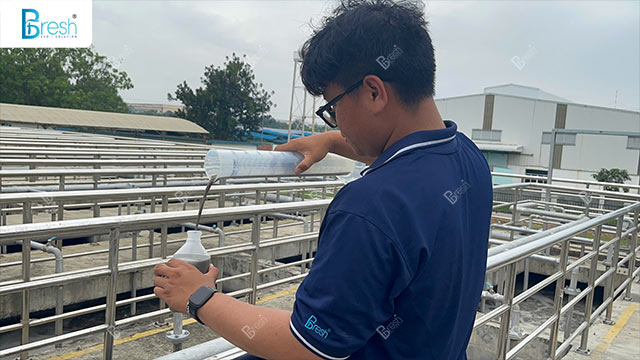
What is industrial wastewater?
Industrial wastewater is generated from manufacturing and processing activities at production facilities and factories. This type of wastewater contains various pollutants that can cause serious harm to the environment and human health if not properly treated. Depending on the specific industry, wastewater typically contains harmful substances such as heavy metals (lead, mercury, cadmium, etc.), toxic organic compounds, oils and greases, acids, and alkalis.
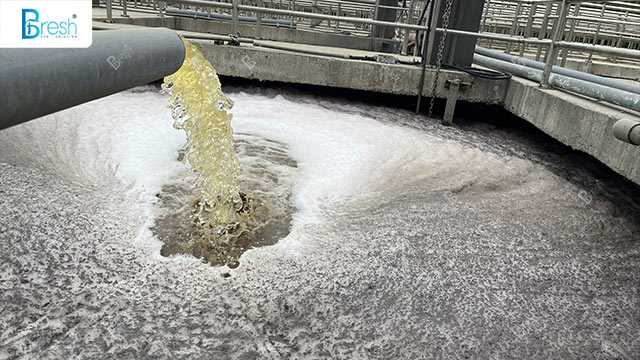
Sources of industrial wastewater
In short, the number of industrial sectors corresponds to the number of sources of industrial wastewater generated. In addition to manufacturing plants and factories, daily living activities also generate industrial wastewater. Some typical sources of industrial wastewater from production activities include:
- Wastewater from beverage production plants, bottled water plants, breweries, instant food processing plants, coffee plants, and seafood processing plants.
- Wastewater from paper mills, ink manufacturing plants, and the textile industry.
- Construction wastewater is generated during the construction process.
- Mechanical wastewater from mechanical foundries, metalworking shops, paint shops, etc.
- Wastewater from animal feed production facilities and slaughterhouses.
- Wastewater from factories that manufacture electronic components and chemical plants.
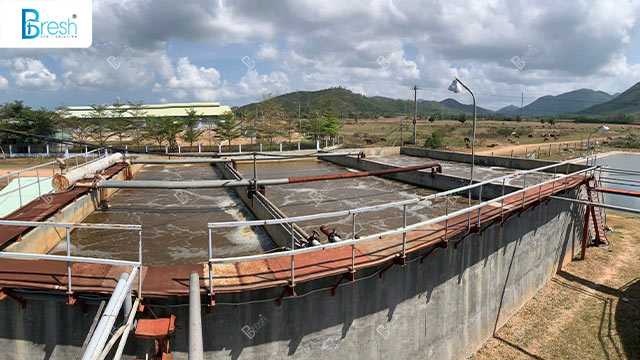
What are the harmful effects of industrial wastewater?
Untreated industrial wastewater has serious consequences for the environment and human health:
- Water pollution: Industrial wastewater discharged directly into the environment pollutes surface water (rivers, lakes, and oceans) and groundwater, affecting aquatic ecosystems.
- Soil pollution: Harmful substances in industrial wastewater can seep into the soil, contaminating it and affecting crops and livestock.
- Air pollution: Some harmful substances in wastewater can evaporate into the air, causing air pollution and affecting human health.
- Health risks to humans: Exposure to industrial wastewater can cause skin, respiratory, and digestive diseases, and even cancer.
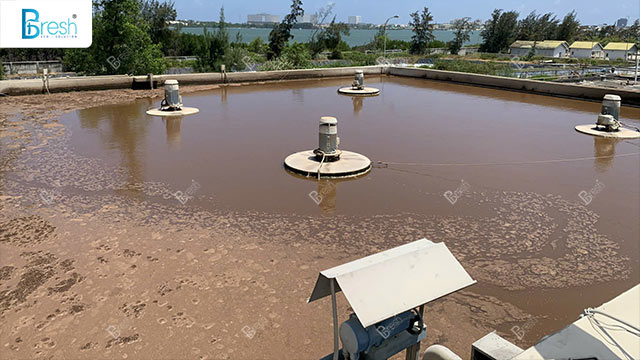
Safe and effective industrial wastewater treatment methods
Given its many serious adverse effects, industrial wastewater treatment is now considered one of society’s most critical and urgent challenges that must be addressed. Below are four widely used and highly effective methods for treating industrial wastewater.
Chemical treatment of industrial wastewater
This method relies on the use of special chemicals to neutralize, precipitate, foam, and disinfect, thereby altering the properties of pollutants in wastewater and helping to treat the wastewater before it is discharged into the environment. Commonly used chemicals include:
- Neutralizing agents: These are used to adjust the pH of wastewater to a neutral level (around 7) so that subsequent treatment processes can proceed more effectively. Common agents: Sulfuric acid, hydrochloric acid, sodium hydroxide, calcium hydroxide… For example: Highly acidic wastewater from battery production is neutralized with a sodium hydroxide solution.
- Precipitating agents: These agents form insoluble precipitates from heavy metal ions and suspended solids, making it easier to separate them from the water. Commonly used substances include: aluminum salts (such as aluminum sulfate), iron salts (such as ferric chloride), and alum. Example: Aluminum salts react with heavy metal ions in wastewater, forming metal hydroxide precipitates, which then settle and are removed.
- Foaming agents: These agents create small air bubbles that carry contaminants to the surface, making them easier to remove. Commonly used agents include polyacrylamide and polyethylene glycol, which are used to remove oils and fats from wastewater at food processing plants.
- Disinfectants: Eliminate bacteria, viruses, and other pathogens in wastewater. Commonly used disinfectants include chlorine, ozone, UV light, and chlorine compounds. For example, chlorine is used to disinfect wastewater before it is discharged into the environment.
Chemical treatment of industrial wastewater effectively removes a wide range of pollutants in a short period of time. It can treat various types of wastewater with complex compositions.
However, this method can have an adverse impact on the environment if not handled properly. The treatment process generates a large amount of sludge that must be properly managed.
Industrial wastewater treatment using microbial processes
Wastewater treatment microorganisms play a crucial role in purifying contaminated water. They work by breaking down organic matter and harmful chemical compounds in wastewater into harmless substances or simpler compounds. This method is highly regarded for its effectiveness, environmental friendliness, and relatively low operating costs. Microorganisms used for industrial wastewater treatment include:
- Anaerobic microorganisms: These are microorganisms that live and grow in an oxygen-free environment. They function by breaking down complex organic compounds into simpler substances such as methane (CH₄), carbon dioxide (CO₂), and hydrogen sulfide (H₂S). The use of anaerobic microorganisms for industrial wastewater treatment is commonly applied in food, paper, and leather manufacturing plants.
- Anaerobic microorganisms: These are microorganisms that live and grow in environments with very low oxygen concentrations. Their mechanism of action is similar to that of anaerobic microorganisms, but they are capable of surviving in oxygen-deprived environments. They are commonly used to treat wastewater with moderate levels of organic matter, such as domestic wastewater.
- Aerobic microorganisms: These are microorganisms that live and grow in oxygen-rich environments. These microorganisms use oxygen to break down organic matter into carbon dioxide and water. They are commonly used to treat wastewater with low organic content, such as wastewater that has undergone primary treatment.
Industrial wastewater treatment using microbial wastewater treatment products is highly effective, significantly reducing COD and BOD levels in wastewater. Notably, this method is environmentally friendly and cost-effective to operate. Once the system is established, operating costs are primarily focused on supplying oxygen and maintaining suitable living conditions for the microorganisms. Compared to other methods, the amount of sludge generated after microbial treatment is typically lower. However, the biological degradation process takes time to occur. Efficiency is influenced by environmental factors such as temperature, pH, and pollutant concentration, which can affect microbial activity.
Xử lý nước thải công nghiệp bằng phương pháp cơ học
This method relies on physical forces such as gravity and centrifugal force to separate large solids and suspended particles from wastewater. Commonly used mechanical equipment includes:
- Filter screens: Use screens with different mesh sizes to trap large solid particles such as debris and sediment. This equipment is installed at the inlet of the treatment system to protect other equipment; it is easy to operate and effectively removes large solids.
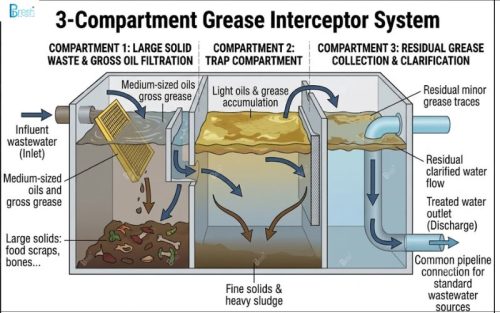
- Settling tank: Utilizes gravity to allow heavy solids in wastewater to settle to the bottom of the tank, forming sludge. There are several types of settling tanks: horizontal settling tanks, vertical settling tanks, and conical settling tanks, which are effective at removing suspended solids and have low capital costs.
- Settling tank: Cools the wastewater so that dissolved substances crystallize and settle to the bottom. Effectively removes high-concentration dissolved substances, particularly heavy metals, thereby protecting downstream treatment equipment.
Mechanical industrial wastewater treatment is cost-effective, easy to operate, and environmentally friendly. However, this method can only remove solids and a portion of suspended solids. It must be combined with other methods to achieve optimal results.
Industrial wastewater treatment using electrochemical methods
This method involves applying a direct current to the wastewater solution, triggering electrochemical reactions that remove pollutants. The main electrochemical processes include:
- Electrolysis process: A direct current passes through the electrolyte solution, causing redox reactions at the electrodes. This process removes heavy metals by forming metal precipitates or metal hydroxides and breaks down complex organic compounds.
- The electrophoresis process: Ions in the solution move under the influence of an electric field, concentrate at the electrodes, and are retained there. This process removes heavy metal ions and charged organic molecules.
- Electrochemical oxidation process: Generates strong free radicals at the electrode surface; these radicals have a strong oxidizing effect on organic substances and microorganisms. This process breaks down hard-to-degrade organic compounds and disinfects wastewater.
Industrial wastewater treatment using electrochemical methods can remove a wide range of pollutants, including those that are difficult to biodegrade, and is environmentally friendly. The treatment time is short compared to other methods, and the process is easy to control and operate. However, this method requires a high initial investment because electrochemical equipment is typically expensive. The electrolysis process consumes a significant amount of electricity.
What is the best solution for industrial wastewater treatment?
There is no single industrial wastewater treatment solution that can be considered the “best” for every situation. Choosing the right method depends on many factors, including:
- Composition and characteristics of wastewater: Each type of wastewater has a different composition and characteristics, requiring different treatment methods.
- Wastewater flow rate: Whether the flow rate is high or low will affect the scale and method of treatment.
- Costs: Includes investment, operating, and maintenance costs.
- Legal regulations: Environmental regulations will set specific requirements for the quality of treated wastewater. This will, in turn, influence the selection of an appropriate wastewater treatment method.
All of the common industrial wastewater treatment methods currently in use have their own advantages and disadvantages; you should take these into account when deciding on the most suitable method.
| Method | Advantages | Disadvantages | Applications |
| Mechanics | Effectively removes suspended solids at a low cost | Low effectiveness against dissolved pollutants | Pre-treatment, primary treatment |
| Chemistry | Highly effective, fast | Consumes chemicals and generates sludge | Treatment of specific pollutants |
| Biology | Environmentally friendly, low operating costs | Long processing time; susceptible to environmental factors | Treatment of organic matter |
| Electrolysis | Highly effective against hard-to-degrade pollutants; no chemicals used | High investment costs, high energy consumption | Treatment of wastewater with high concentrations of heavy metals |
| Combining multiple methods | Optimize processing efficiency and flexibility | Complex system, high investment costs | Most modern industrial wastewater treatment systems |
To achieve the highest efficiency in industrial wastewater treatment, you can combine multiple methods:
- Mechanical-biological treatment: Large solids are removed mechanically, followed by biological treatment to break down organic matter.
- Chemical-biological combination: Use chemicals to precipitate heavy metals, followed by biological treatment to break down organic matter.
- Electro-biological combination: Use electrochemistry to oxidize hard-to-degrade organic compounds, followed by biological treatment to complete the process.
Selecting an industrial wastewater treatment solution is not a simple task and requires extensive specialized knowledge. It is best to seek advice from environmental experts and industrial wastewater treatment service providers to identify the optimal solution for each specific case.
Industrial wastewater treatment services at BioFix Fresh
BioFix Fresh is one of Vietnam’s leading providers of comprehensive solutions for industrial wastewater treatment. With extensive experience and a team of experts, we are committed to delivering effective, sustainable, and environmentally friendly industrial wastewater treatment solutions to our customers.
Why choose BioFix Fresh?
- Comprehensive solutions: From consulting, design, and product supply to installation and operation of industrial wastewater treatment systems.
- Modern technology: We utilize advanced, highly efficient, and environmentally friendly technologies.
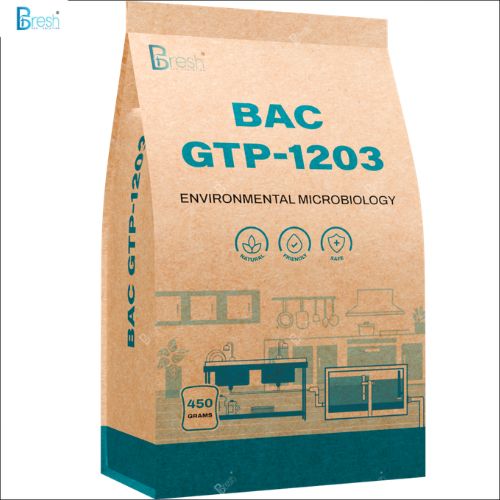
- High-quality products: All microbial wastewater treatment products are manufactured on state-of-the-art production lines and meet high quality standards.
- Team of Experts: Our team of experienced engineers and experts is always ready to assist customers and ensure the system operates stably and efficiently over the long term.
Contact BioFix Fresh today for a consultation on a wastewater treatment solution tailored to your system’s specific needs!
BIOFIX FRESH TECHNICAL TRADING COMPANY LIMITED
- Address: 71 DH607 Street, Group 2, Ben Tuong Ward, Ben Cat Ward, Ho Chi Minh City
- Hotline: 1900 988 949
- Email: info@biofixfresh.com