Although grease is an indispensable component in food processing, it poses a significant threat to wastewater treatment systems. When discharged directly into drainage systems without treatment, grease can cause blockages, reduce the effectiveness of treatment technologies, and even damage equipment, seriously affecting water quality and the environment. Join BioFix Fresh to explore some of the most common solutions for treating grease in wastewater currently available to minimize the harm they cause.
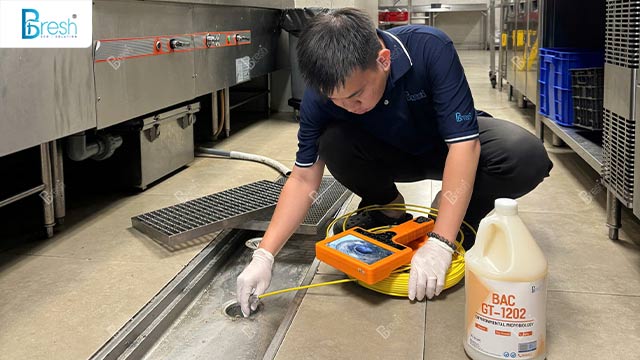
BioFix Fresh: Professional Treatment of Grease in Wastewater
Causes of oil and grease in wastewater
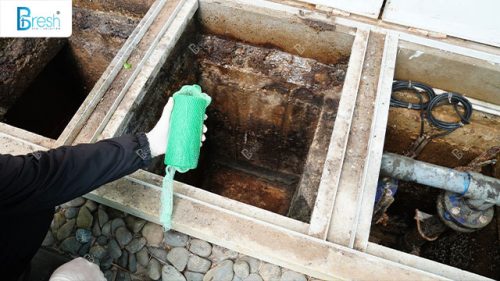
Grease in wastewater is generated from daily activities in households, restaurants, and hotels, such as food preparation, cooking, and dishwashing. In addition, manufacturing operations at food processing plants—including those producing rice vinegar, oil, and chocolate—also discharge grease into the environment. After accumulating over time, these fats and oils adhere to wastewater treatment systems, causing blockages, foul odors, and environmental pollution.
Most restaurants, eateries, and hotels today are equipped with grease traps and grease pits to minimize the amount of grease entering the wastewater. However, during holidays and peak seasons, the high volume of grease generated—if not treated promptly—ends up in the grease traps, while another portion enters the wastewater system, damaging the downstream wastewater treatment system and harming the environment.
The Role of Grease Treatment in Wastewater
If left untreated, grease in wastewater can cause serious problems for the wastewater system, such as:
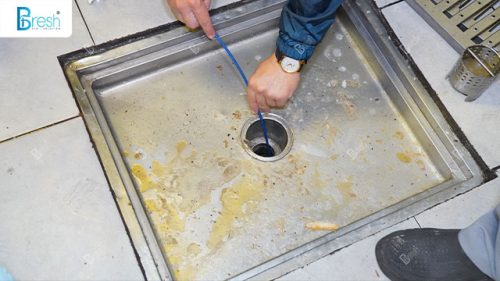
- Pipe blockages: Grease is lighter than water and does not dissolve in water. When they enter the wastewater treatment system, they solidify and adhere to the pipe walls, gradually forming thick layers that cause pipe blockages. This leads to wastewater backing up, causing environmental pollution and disrupting the daily lives of many families as well as the operations of restaurants, eateries, and hotels.
- Reduced efficiency of the wastewater treatment system: Large accumulations of grease and oil inhibit the growth of beneficial microorganisms, reducing the system’s ability to break down organic matter in the wastewater. This leads to the formation of filamentous bacteria, sludge that is difficult to settle, and foaming in the wastewater treatment system.
- Equipment damage: In addition to causing blockages, excess oil and grease can also damage equipment such as pump impellers, agitator blades, trash screens, and chemical dosing system air diffusers,…
- Environmental pollution: Wastewater containing grease and oil discharged into water bodies such as rivers and lakes pollutes the water, harming human health and aquatic life. When grease and oil seep into the soil, they also affect crops and groundwater.
Grease in wastewater causes many negative impacts. Therefore, treating grease in wastewater plays a crucial role in ensuring the effective operation of wastewater treatment systems, protecting the environment, and safeguarding human health.
Methods for treating grease in wastewater
There are many methods for treating grease and oil in wastewater. The most commonly used methods include: oil separation, chemical treatment, and the use of microbial products. Join BioFix Fresh to learn about the characteristics of each method.
Treatment of grease in wastewater using oil separation methods
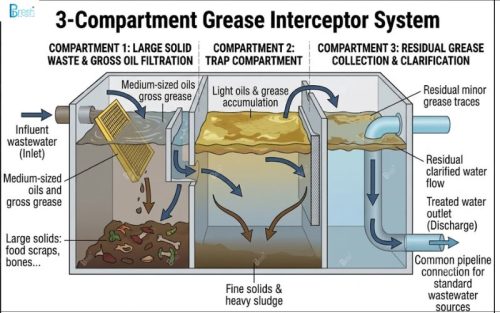
The grease trap method is widely used. The principle behind this method is simple: since grease is lighter than water, it rises to the surface. Wastewater is fed into the grease trap, where food scraps and debris settle at the bottom, while the grease automatically rises to the surface and is collected.
Using an oil separator has the advantage of being easy to operate and environmentally friendly. However, its effectiveness depends on various factors, such as the amount of grease and the settling time. Over time, business owners must incur significant costs to have the grease removed on a regular basis.
Chemical treatment of grease in wastewater
Using chemicals to treat grease in wastewater provides quick results. However, this method does not offer a long-term solution; the grease can re-coalesce and continue to cause blockages. In addition, the use of chemicals can lead to environmental issues, health risks, and damage to pipes.
Treatment of grease in wastewater using grease-degrading microorganisms
Fats-degrading microorganisms are microorganisms capable of breaking down fats and oils into harmless substances such as CO₂ and water. This method is considered environmentally friendly and highly effective in the long term for treating hard-to-degrade fats and oils. However, the microbial treatment process is typically slower than other methods.
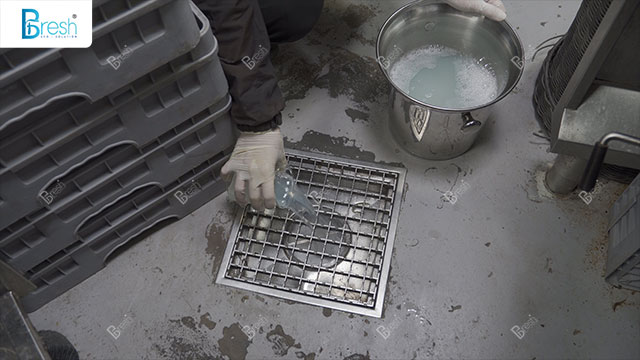
Some microbial products for treating grease
What method should be used to treat grease in wastewater?
Each method of treating grease in wastewater that BioFix Fresh has just analyzed above has its own advantages and disadvantages. However, to achieve sustainable results, reduce the burden on downstream wastewater treatment systems, and promote the growth of beneficial microorganisms, many experts recommend treating grease with microbial products.
Treating grease in wastewater using grease-degrading microbial products is a solution recommended by many experts. These natural microorganisms are capable of breaking down grease in an environmentally friendly manner. They grow and multiply over time, providing long-term effectiveness without adversely affecting the wastewater treatment system.
Microbial products for treating grease in wastewater deliver superior results
There are many types of microbial products for treating grease in wastewater. Based on research and field surveys, BioFix Fresh highly recommends the following microbial grease treatment products:
BAC GT-1202 Liquid Microbial Oil and Grease Treatment
The biological product BAC GT-1202 is imported from Canada and contains microbial strains such as Alcaligenes eutrophus, B. azotoformans, and Thiobacillus versutus. It is designed to treat grease in wastewater, resolve pipe blockages, and eliminate unpleasant odors caused by grease buildup.
Product features:
- pH: 6–8.
- Bacterial concentration: 10.8 × 10⁸ CFU/mL (>400 billion/gal).
Dosage:
- Mix BAC GT-1202 at a ratio of 1 part product to 1 to 3 parts water.
- Use the prepared solution to treat: Pipes with a diameter of DN50.
- Initial volume: 500 ml.
- Area: 125 sq. m.
BAC GT-1202 Liquid Microbial Grease and Oil Treatment Agent
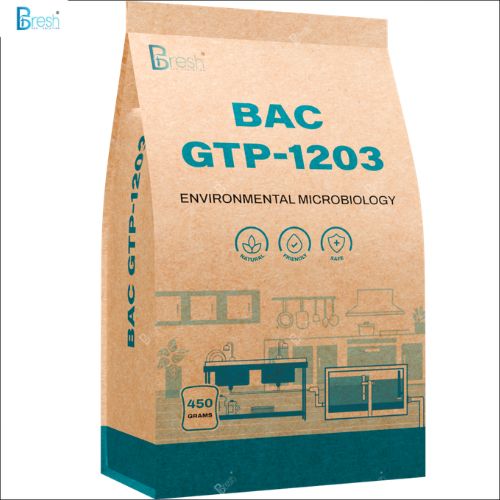
BAC GTP-1203 microbial oil and grease treatment product (powder form)
BAC GTP-1203 is a powdered microbial product containing multiple microbial strains in spore form, such as Bacillus subtilis, Bacillus megaterium, Bacillus circulans, and Bacillus simplex, which effectively treat grease in wastewater, even under low pH conditions. The product is manufactured in the United States, ensuring high quality and environmental safety.
Product Features:
- pH: 4–10.
- Concentration: 7 billion CFU/g.
Dosage: 450 g: 1–2 m³ per 30 days.