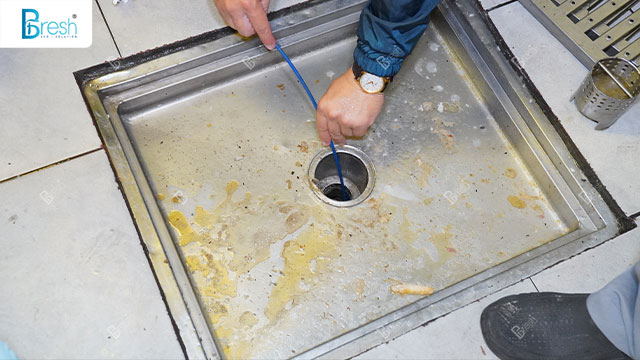
Causes of Oil and Grease Accumulation in Drainage Pipes and Wastewater
Oil and grease in drainage pipes and wastewater originate from daily activities such as cooking, preparation of raw food, and washing dishes after meals. Particularly in eateries, restaurants, and hotels, a massive volume of excess grease and food scraps that are not carefully managed will wash down into the drainage pipes.
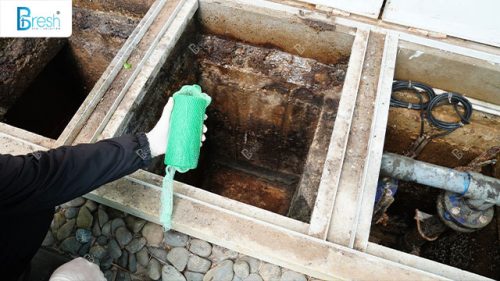
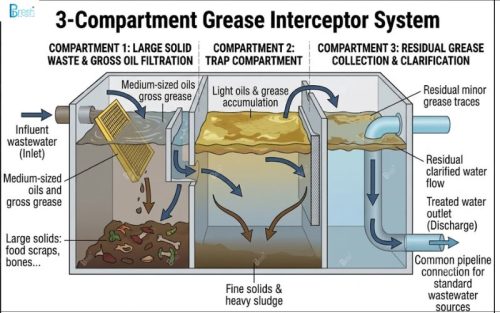
Over time, this excess grease accumulates inside the pipes, grease traps, or grease pits, causing complete blockages in the drainage network, while a portion of the residual grease also enters the main wastewater treatment system.
Harmful Effects of Oil, Grease, and Fats
Clogging caused by oil, grease, and fats heavily impacts the environment, the daily life of households, and the business operations of food and beverage establishments. Specifically, how do oil, grease, and fats affect the drainage system, the environment, and daily life? BioFix Fresh will clarify this issue below.
Pipe Clogging
- Excess grease easily accumulates inside pipes and gradually causes blockages. When a pipe is clogged, wastewater cannot flow normally, leading to localized water stagnation inside the kitchen or other areas, causing unsanitary conditions and discomfort.
- To resolve grease-induced clogs, businesses must spend money on pipe maintenance and repairs. This is not only costly but can also disrupt workflow, reduce productivity, and negatively affect business operations or household routines.
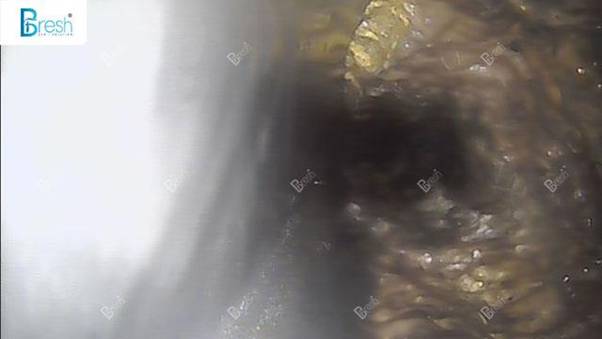
Oil and grease accumulated inside the piping system over a long period of time
Environmental Pollution Impacts
When oil, grease, and fats clog drainage pipes, wastewater becomes difficult to recede and backs up, emitting foul odors and affecting human health. When they escape into the main drainage network and public sewage systems, they lead to the pollution of ponds, lakes, rivers, and streams.
Reduced Wastewater Treatment Efficiency
Oil, grease, and fats are organic compounds that are difficult to decompose due to their stable molecular structures. When they enter a wastewater treatment system, they obstruct and inhibit the growth of beneficial microorganisms.
The accumulated grease hinders the oxygen absorption capability of the microbes or prevents air from dissolving into the water. As a result, beneficial bacteria gradually die off, reducing wastewater treatment efficiency. At this point, brown foam will float to the surface of the aerobic tank and can even overflow, generating highly unpleasant odors.
Common Solutions for Treating Excess Grease
Managing grease is not only a top priority for restaurants and eateries but also a major concern for homemakers. So, what solutions are available to solve this problem?
1. Treating Grease with Conventional Methods
In many households, homemakers often use readily available household ingredients such as baking soda, white vinegar, and boiling water to clear pipe blockages. However, these solutions only break apart the physical form of the grease while its structural composition remains unchanged. The clumped grease will continue to travel down the pipes, resolidify, and cause blockages further down the line. Not to mention, these methods can potentially damage the drainage infrastructure.
2. Treating Grease with Mechanical Methods
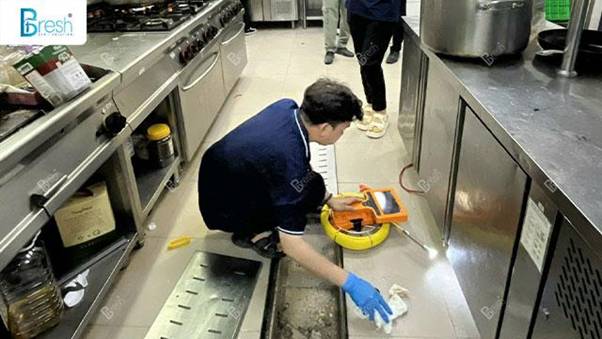
Using plumbing snakes/cables or drain-clearing machines is a common mechanical grease treatment method. When pipes are severely clogged, establishments can use these cables or machines to penetrate deep into the pipeline and scrape away accumulated debris and grease. These tools push through or cut through the blockages, clearing the pipes.
Another method, high-pressure hot water jetting, also treats grease clogs effectively. This method utilizes a high-pressure washer combined with hot water to scour grease out of the pipes. The hot water softens the grease, and the high-pressure water flushes it completely out of the drainage system.
Despite having many advantages, mechanical grease treatment methods still present several limitations:
- Low Efficiency Against Deeply Adhered Grease: Mechanical methods like cables, drain machines, or pressure jetting can remove a portion of the grease, but their effectiveness can be quite low against grease that clings tightly or has been hardened for a long time. It is difficult to separate grease completely using only mechanical means.
- Difficulty Accessing the Entire System: In cases where the pipeline is too long or has a complex layout, applying mechanical clearing methods like cables, machines, or pressure jetting will face difficulties accessing the full length of the system. The grease treatment will only be effective in positions that the equipment can physically reach, while long sections or hidden corners may not be thoroughly resolved. In particular, the pressure or friction from a plumbing cable can gradually diminish as it travels over a long distance, leaving grease or waste in far-reaching pipe segments incompletely cleaned.
3. Treating Grease with Chemical Methods
Treating grease with chemical methods requires the use of commercial chemicals to eliminate grease inside wastewater tanks, drainage lines, or sewers. This method delivers rapid grease-clearing results but is purely temporary. Furthermore, the use of harsh chemicals is highly discouraged because it can negatively impact final wastewater treatment results and is not environmentally friendly.
4. Treating Grease with Microbial Methods
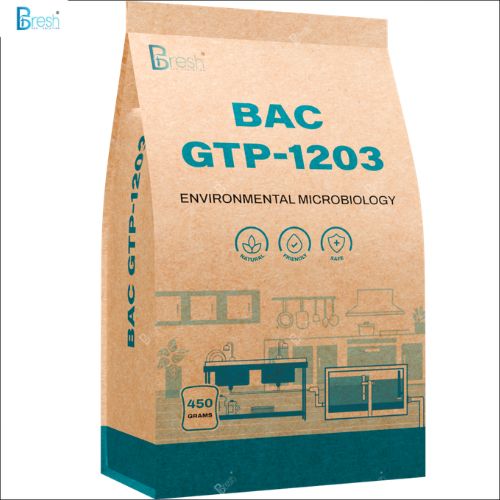
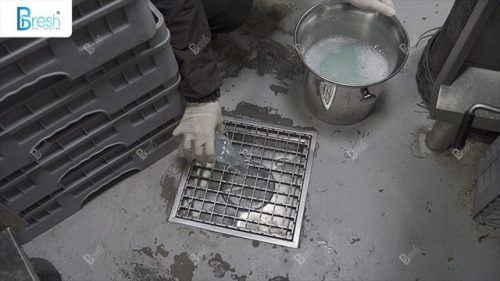
This method introduces specialized grease-treating microbial products into the kitchen’s piping system. Microorganisms possess the ability to decompose grease, thoroughly resolving issues of stagnation and clogging in both pipes and grease collection pits. These natural microbes are completely safe for human health and friendly to the environment.
Seeking a Safe and Sustainable Grease Treatment Solution
If you have applied the aforementioned grease treatment methods but the clogging in your drainage system remains unresolved, you should seek a grease treatment solution that is…
See more: Liquid-form BAC GT-1202 microbial grease treatment product
What Outstanding Advantages Does Microbial Grease Treatment Have Over Other Methods?
Applying microorganisms to treat grease is a highly advantageous method that is widely selected by eateries, restaurants, and businesses.
- Safe for Health and the Environment: The microbial method does not utilize any chemicals, thereby generating no chemical byproducts. This ensures that the treated water quality is free of harmful chemicals, does not produce unpleasant odors, and is environmentally friendly.
- Effective Treatment for Hard-to-Reach Areas: Microbial products come in various forms, such as liquid, powder, tablets, and blocks. This makes it easy for them to penetrate and effectively treat grease in various zones and positions, including deep sections inside the pipeline.
- Prevents Pipe Corrosion: The microbial grease treatment method leverages the power of bacterial strains to decompose grease and other organic waste into water and $CO_2$. These natural microorganisms are non-pathogenic, contain no harsh detergents, and do not cause corrosion to the piping system.
BIOFIX FRESH – Microbial Grease Treatment Solution: Safe – Effective – Sustainable
With over 10 years of experience, BioFix Fresh is a reputable unit in the field of providing biological solutions to resolve environmental issues such as wastewater treatment, waste management, and grease treatment. We offer safe, environmentally friendly biological products alongside rapid grease treatment services. BioFix Fresh supports on-site surveys and develops tailored grease treatment plans matching the specific conditions and parameters of each business facility, thoroughly resolving the challenging problems caused by grease.
Contact BioFix Fresh today for a consultation on the most suitable product!
BIOFIX FRESH TECHNICAL TRADING COMPANY LIMITED
Hotline: 1900 988 949
Email: info@biofixfresh.com
Address: 71 DH607 Road, Group 2, Ben Tuong, Ben Cat Ward, Ho Chi Minh City.