Why should you dispose of excess grease?
Many people tend to overlook the proper disposal of cooking grease, pouring it directly down the drain and assuming it will simply flow away like water. However, did you know that grease, fats, and food scraps are highly adhesive? If poured directly down the drain, they will solidify and clump together, causing serious consequences you might not expect.
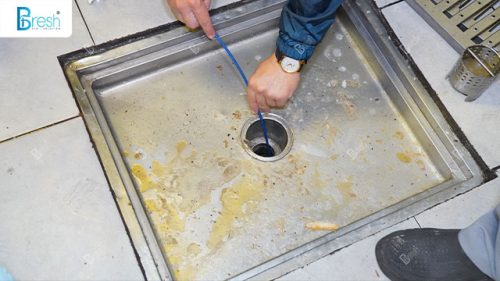
- Causing pipe blockages: Over time, the fats in grease break down into fatty acids and glycerol, which combine with calcium in the drain to form dense “fat deposits” that adhere to the pipes. This is the leading cause of pipe blockages, slowing down drainage and even causing flooding.
- Impact on wastewater treatment efficiency: Oils and fats reduce the operational efficiency of domestic and industrial wastewater treatment systems. They form a floating film on the water’s surface, hindering the oxidation process and reducing the ability to break down organic matter.
- Costly: Excess grease adheres to the inside of pipes and gradually forms thick deposits. This reduces wastewater flow, causing pipe blockages and even pipe bursts. Resolving pipe blockages requires significant costs for unclogging, repairing, or replacing the pipes. For restaurants and hotels, drainage system blockages can also disrupt business operations.
- Environmental and health impacts: When used cooking oil is poured directly down the sink or drain, it flows through the pipes into the environment, seeps into the ground, and contaminates groundwater, causing environmental pollution. Additionally, damp environments and stagnant wastewater create ideal conditions for bacterial growth, leading to unpleasant odors and digestive illnesses, which directly impact human health.
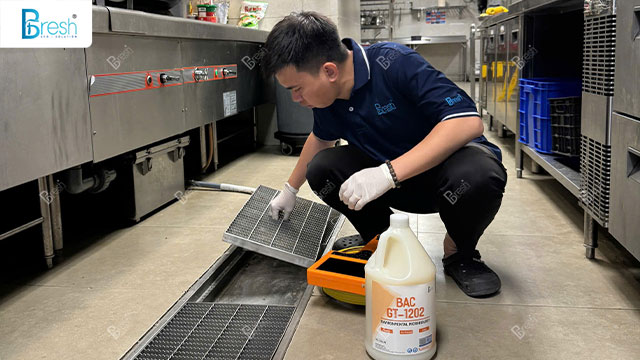
Excess fat can lead to blockages and many serious consequences
Effective ways to deal with excess grease
To address these issues, proper disposal of excess grease is essential. Below are some common, easy-to-implement methods you can use.
Reusing excess oil
If cooking oil has not turned brown or black after use, you can strain it through a fine-mesh strainer or oil filter paper and reuse it for the next time. However, please note: Do not reuse cooking oil more than twice, and be sure to strain out any residue to ensure it is safe for your health. Reusing cooking oil too many times is one of the causes of cancer.
Treating excess grease at the source
The simplest way to dispose of used cooking oil, which many people use, is to let it cool after cooking and then pour it into a plastic bottle or bag. Better yet, let it solidify in the refrigerator and then place it in the trash for the sanitation department to collect and dispose of.
Use paper towels to remove excess grease
If there isn’t too much grease left over after cooking, you can use paper towels to soak up the excess grease. Then, collect it in a plastic bag and throw it in the trash. This method for disposing of excess grease is extremely convenient and is widely used in households.
Use a grease trap to treat excess grease
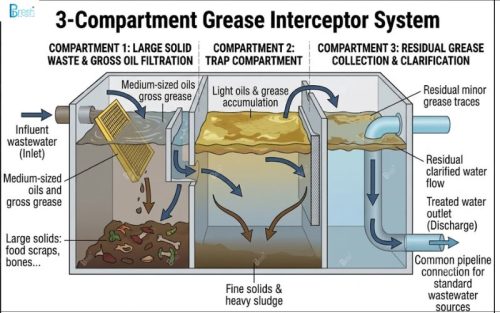
A grease trap is a specialized device designed to separate grease from wastewater before it is discharged into the environment. The operating principle of a grease trap is based on the difference in specific gravity between grease and water. Since grease is lighter than water, it rises to the surface and is separated.
This method for treating excess grease is commonly used in restaurants, hotels, eateries, and cafeterias for workers—places that cook frequently and generate large amounts of grease waste daily.
Using microbial products to treat excess grease
If you have a habit of pouring excess cooking oil and grease directly down the sink drain, over time it will build up in the pipes, leading to clogs and unpleasant odors.
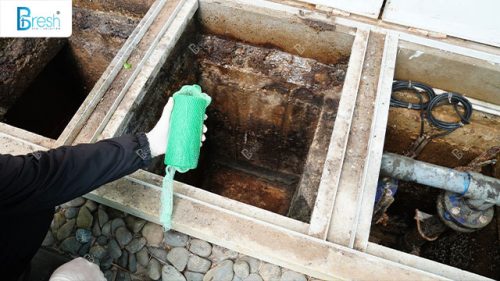
To address the “consequences” of your actions, you can use specialized microbial grease-degrading products to remove cooking oil buildup in pipes. These products contain beneficial bacteria capable of breaking down grease into harmless substances, helping to minimize clogs, protect the environment, and ensure health safety.
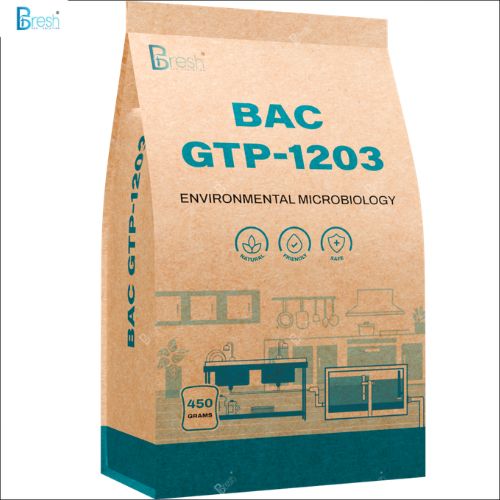
Here are some liquid microbial products from BioFix Fresh that effectively treat grease and oil in pipes: BAC GT-1202, BAC GT2B-1205, and BAC GT4B-1206.
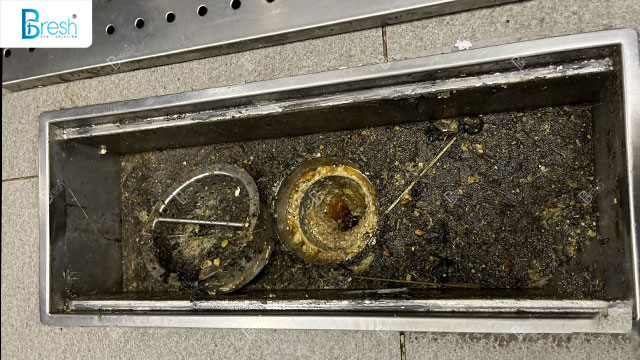
BioFix Fresh’s microbial product for treating excess grease
Tips for Disposing of Excess Grease
When processing excess grease and oil, please note the following:
- Do not pour excess oil or grease directly down the drain or into the sink.
- Do not reuse cooking oil more than twice to protect your health. Once filtered, reused oil should be used as soon as possible because, unlike new oil, it spoils quickly.
- If oil or fat has been used to fry fish, seafood, or strongly flavored foods, it should not be reused, as this may affect the taste of the dish.
- After filtering, do not mix used oil intended for reuse with new oil, especially if they come from different sources, to ensure health safety.
- If oil or fat begins to smoke while frying or stir-frying, you should stop using it, as it can produce harmful substances when heated to high temperatures.